
Leading Foundation Repair Supplies For Professional And DIY Projects
Compare top supplies suitable for both expert contractors and DIY enthusiasts aiming for reliable foundation restoration.
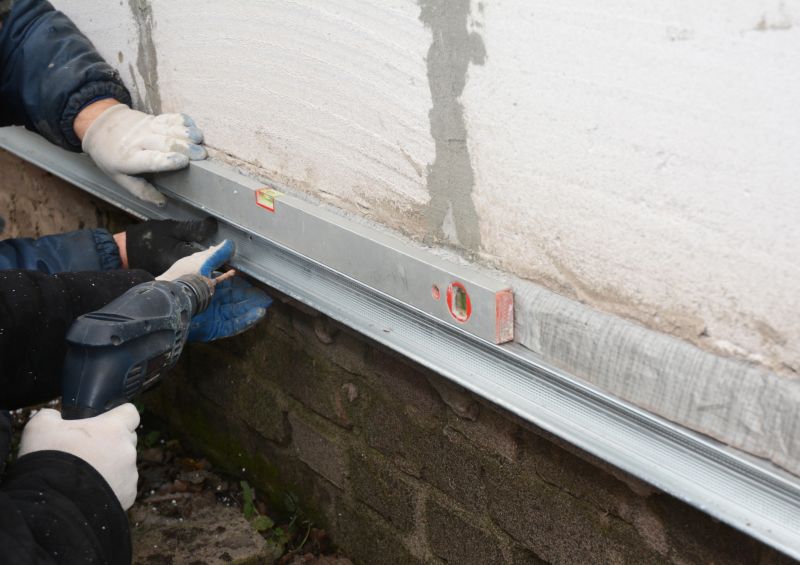 Foundation repairs are a critical aspect of maintaining the structural integrity of a building, especially in areas prone to soil movement or moisture fluctuations. When addressing foundation issues, a variety of products are available to help stabilize and reinforce the structure. These products range from simple repair kits to advanced hydraulic systems, each designed to suit different types of foundation problems and severity levels. Proper selection and application of these products can contribute to the longevity and safety of a building.
Top Overall Option
Hydraulic Piering Systems
Hydraulic piering systems are versatile and adaptable solutions for foundation stabilization, capable of lifting and supporting settled or uneven foundations. They typically involve installing steel piers beneath the foundation and using hydraulic jacks to lift and stabilize the structure. These systems are often used in cases of significant settlement or shifting, providing a reliable method to restore stability. Proper installation by professionals ensures that the system distributes weight evenly and minimizes future movement, making it a comprehensive choice for various foundation repair needs.
Types of Products For Foundation Repairs
Carbon Fiber Reinforcement Strips
Used to reinforce cracked concrete and prevent further expansion, these strips are applied directly over cracks for added strength.
Polyurethane Foam Injection Kits
Designed for sealing and lifting minor foundation cracks, these kits expand to fill voids and stabilize the surrounding soil.
Steel Push Piers
Installed beneath the foundation to provide permanent support, these piers are driven into stable soil layers to lift and stabilize the structure.
Helical Piers
A type of deep foundation support that involves screwing steel piers into the ground to stabilize and lift foundations affected by soil movement.
Slab Jacking/Polyurethane Foam Lifting
A method for raising sunken slabs by injecting foam or grout beneath the slab to restore levelness.
Foundation Anchors
Anchors are installed into the soil and attached to the foundation to prevent further movement caused by shifting soil.
Underpinning Piles
Used to strengthen and stabilize the foundation by installing piles beneath the structure, especially in cases of severe settlement.
Crack Repair Sealants
Flexible sealants designed to seal small cracks and prevent water infiltration, helping to mitigate further damage.
Soil Stabilization Grouts
Injectable grouts that improve soil stability around the foundation, reducing settlement and shifting.
Vapor Barriers and Drainage Systems
Installed around foundations to control moisture levels and prevent soil expansion or contraction that can affect stability.
Foundation Repair Braces
Support braces used internally or externally to reinforce weakened walls or sections of the foundation.
Concrete Patching Materials
High-quality patching compounds used to repair surface cracks and prevent water ingress.
Anchor Bolts and Brackets
Hardware used to secure the foundation to the framing or other structural elements for added stability.
Drainage and Waterproofing Membranes
Materials applied to exterior or interior surfaces to prevent water intrusion and reduce soil moisture fluctuations.
Vibration and Soil Compaction Equipment
Tools used during foundation stabilization to compact soil and reduce voids, improving support.
Popular Choices
Commonly used for lifting and stabilizing settled foundations, these piers are driven into the ground with hydraulic force.
A popular method for strengthening cracked basement walls and preventing further structural issues.
Widely used for sealing minor cracks and lifting small sections of concrete slabs.
Preferred for their strength and reliability in supporting heavily settled foundations.
Often chosen for their ease of installation and ability to support various foundation types.
A quick method to lift sunken concrete slabs with minimal disruption.
Effective for preventing further shifting in unstable soil conditions.
Popular for protecting basement walls from water intrusion and moisture damage.
Used to improve soil support around foundations, reducing future settlement.
Affordable and easy-to-apply solutions for minor foundation cracks.
Commonly installed to control moisture levels and prevent foundation issues caused by excess water.
Effective in directing water away from foundations to reduce soil movement.
Frequently used for temporary or permanent reinforcement of foundation walls.
Popular for surface repairs and sealing cracks against water ingress.
Chosen for severe settlement issues requiring deep support.
Understanding the different types of foundation repair products is essential for homeowners and contractors alike. Some solutions are intended for minor cracks and surface-level stabilization, while others are meant for more substantial issues such as shifting or sinking foundations. It is important to assess the specific needs of a property and consult with professionals when necessary to determine the most appropriate products for repair.
In addition to the type of product, considerations such as ease of installation, durability, and compatibility with existing structures play a vital role in decision-making. Proper maintenance and timely intervention can prevent further damage and costly repairs down the line. Whether addressing basement issues, crawl space problems, or slab foundations, selecting the right products is a key step toward restoring stability and confidence in a property's foundation.
While there are many options available in the market, choosing products that are suited to your specific foundation type and problem severity can help ensure effective results. It is always advisable to research thoroughly, seek expert advice when needed, and prioritize quality and compatibility when selecting foundation repair products.
Key Buying Considerations
- Assess the extent and severity of foundation issues before selecting products.
- Determine whether the repair involves minor cracks, surface leveling, or deep stabilization.
- Consider the compatibility of repair products with existing foundation materials.
- Evaluate the ease of installation and whether professional assistance is recommended.
- Check the durability and longevity of the repair solutions for long-term stability.
- Identify if waterproofing or moisture control products are necessary for your situation.
- Review the soil conditions and drainage around your property to choose appropriate stabilization methods.
- Ensure that products meet local building codes and safety standards.
- Consider the potential impact on landscaping and property aesthetics.
- Research the reputation and reliability of the product manufacturer or supplier.
- Estimate the overall cost, including installation and potential future repairs.
- Look for products that allow for future adjustments or repairs if needed.
- Verify whether the products are suitable for your specific foundation type (slab, crawl space, basement).
- Prioritize solutions that have clear instructions and support for proper application.
- Consider environmental factors, such as water table levels and soil type, that may influence product effectiveness.